
Tourist Souvenir Market Is Regaining: A Greater Focus On Personalized & High-Quality Items
According to a related report, the global market for gifts, novelties, and souvenirs was valued at USD 97.78 billion in 2022. It is projected to reach USD 126.61 billion by 2032, growing at a CAGR of 2.6% during the forecast period.(based on www.businessresearchinsights.com)
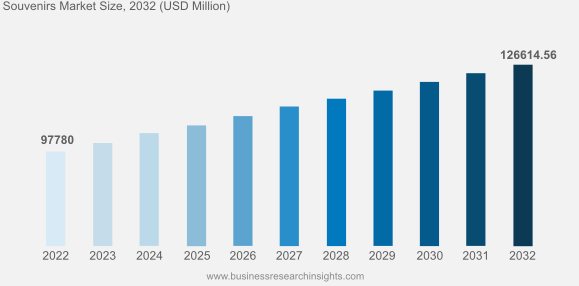
Although the growth rate of 2.6% has slowed, the global tourism industry is expected to fully revive post-pandemic, leading to a gradual recovery and expansion of the souvenir market. This article explores this trend through several aspects:
1. Overview and Development of the Souvenir Industry
2. Opportunities and Challenges in the Souvenir Market
Overview and Development of the souvenir industry
A souvenir (from French 'a remembrance or memory'),is an object a person acquires for the memories the owner associates with it. A souvenir can be any object that can be collected or purchased and transported home by the traveler as a memento of a visit. The object itself may have intrinsic value, or be a symbol of experience. Without the owner's input, the symbolic meaning is lost and cannot be articulated.
In the 10th century Western Europe, pilgrims would take items such as stones, soil, and water from pilgrimage sites, believing that "the sanctity of saints, relics, and holy places could be transferred to some extent through physical contact." This logic can be described as synecdochic: the holy power of the site was thought to reside within its fragments, whether it was pieces of the temple or water from a well. This marks the earliest recorded instances of souvenirs, indicating that European souvenirs originated from religious relics.
By the 18th and 19th centuries, as people became increasingly affluent, they developed a penchant for traveling. To remember the beauty of the world outside their homes, they began bringing back small items as mementos. Gradually, souvenirs gained popularity, including items like mugs, novelty needle boxes, photo albums, and various vessels. In modern times, the variety of souvenirs has become even more diverse,such as clothing: T-shirts and hats; collectables: postcards, refrigerator magnets, key chains, pins, household items: ceramic mugs,glassware(shaped shot glass,beer glass etc.),ashtray, coasters, and many others.
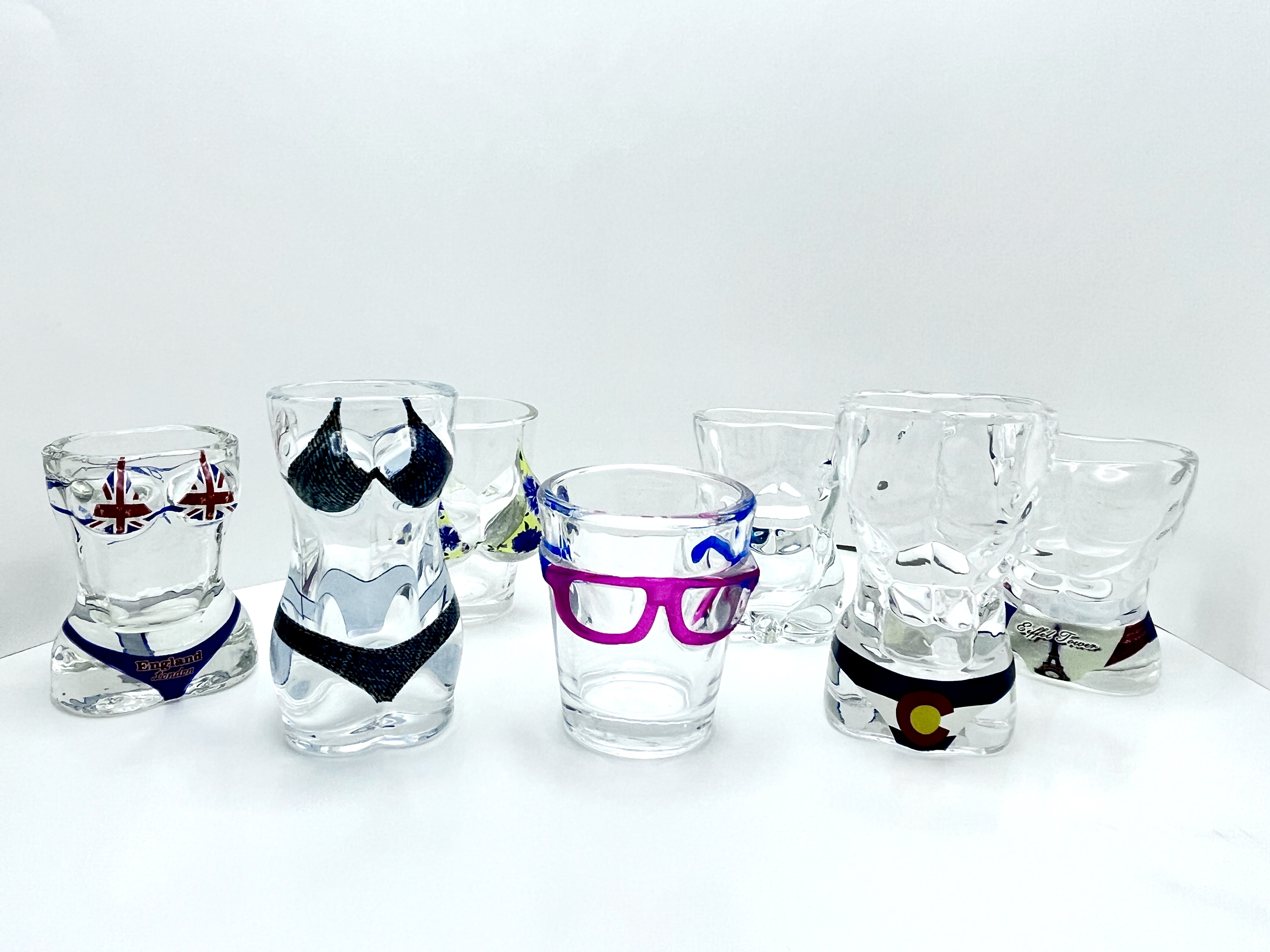
With industrial shifts, technological innovations, and demographic advantages, the souvenir manufacturing industry has moved to Asian countries, especially China. China has taken on a significant number of orders, earning a reputation for high-quality manufacturing and gaining praise from international customers. By 2013, the total sales in the gift and souvenir market reached approximately $18 billion.
In 2020, the COVID-19 pandemic severely impacted the tourism industry, leading to a downturn in the souvenir business. Many companies and stores went bankrupt. In the years following the pandemic, the tourism industry has gradually recovered, and the souvenir market is slowly rebounding according to reports from authoritative institutions,according to the results of the report issued by the authoritative body,It is projected to reach USD 126.61 billion by 2032.
Opportunities and Challenges in the Souvenir Market
Challenges:
1. During the COVID-19 Period:Global Travel Restrictions and Lockdowns,the tourism industry came to a halt, with a sharp decline in the number of tourists. This directly affected the purchase of souvenirs. Regions and stores dependent on tourism faced immense economic pressure due to the reduced number of visitors, leading to the closure of many souvenir shops and manufacturing businesses. Concurrently, lockdown measures caused factory shutdowns and transportation disruptions, which interrupted the souvenir supply chain, impacting the timely delivery and restocking of products.
2.Decreased Consumer Confidence: the economic uncertainty during the pandemic made consumers more cautious about spending, especially on non-essential items, further impacting souvenir sales.
3.Increased Focus on Health and Safety: Consumers became more concerned about health and safety, avoiding souvenirs that might pose sanitary risks. Additionally, there was a rising demand for environmentally friendly and sustainable products, requiring souvenir businesses to adjust their production materials and processes to meet these new demands.
Opportunities:
1. Shift to Online Stores:Reduction in Physical Store Sales,with fewer sales in physical stores, the souvenir industry pivoted to online stores. Through e-commerce platforms and social media, businesses can reach a global customer base, compensating for the decline in offline sales.
2. Innovation in Souvenir Products:Saturation of Traditional Souvenir Market,the traditional souvenir market had reached saturation. During the pandemic, new products like health and protective items (e.g., masks and sanitizers) with local designs emerged. The souvenir market needs more innovation to stay relevant.
3. Customization and Personalization:Increased Internet Usage,lockdowns led more people to spend time online, with varied tastes and preferences. This drove businesses to emphasize customization and personalization of souvenirs to attract consumers and provide more emotioanl value. Offering more custom options and unique designs can satisfy diverse consumer needs.
In summary, the global tourism economy is recovering, and the souvenir industry should seize the opportunity to meet challenges, swiftly undergo transformation, and achieve new breakthroughs.